As most of you know, I’ve been dancing street salsa for many years both locally here in San Diego and around the world. Over those years I’ve been fortunate enough to enjoy the dance and the positive changes that it has brought to my life. From time to time I reflect on these changes and it occurred to me that my salsa dancing has affected me in a way I never would have imagined.
When I opened up my closet recently I noticed that I have not one but two separate parts to my wardrobe. Indeed, on one side I had all my regular clothing and on the other I had what I call my “salsa wardrobe.” Any of you out there that have been dancing salsa for a while understand immediately what I mean by this simple revelation. The clothing worn by a dancer can define that person just as much as their dance style and my separate salsa wardrobe reflects that to the core.
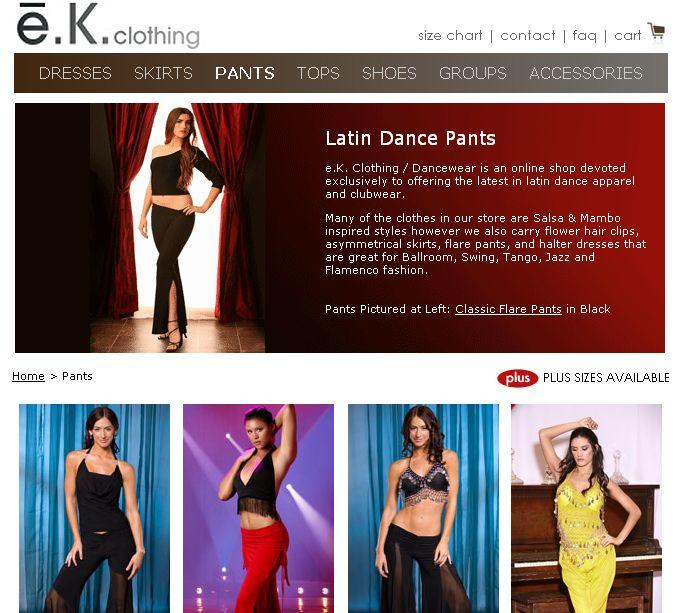
This got me thinking about an often overlooked part of our dance world, the people that provide the wonderful range of clothing and shoe options for us to wear. One organization in particular, e.K. Clothing caught my attention in the Latin dance community and I recently sat down for an interview with the company’s owner, Nicole Shahian, to talk about outfitting the Latin dance world.
Ritmo Bello: Nicole, let’s go ahead and begin. Many people that are new to salsa dancing here in San Diego are not sure what type of options are out there for footwear and dance clothing. What makes e.K. Clothing a good option for them to consider?
e.K. Clothing: Our prices are pretty reasonable and usually if orders are received Monday – Saturday by about 1pm or so, they’re shipped the same day. Returns are easy and most of our styles are great for Salsa and other types of Latin dancing.
Ritmo Bello: How did e.K. Clothing get started?
e.K. Clothing: Well, just like the song – Todo Empezo…Bailando! About 4-5 years ago, I was out dancing almost every night and was always looking for new Salsa clothes, because you know how it is…Salseros usually have a semi-separate Salsa wardrobe, right? I made a couple of purchases from several major online retailers and was disappointed in the price vs. quality. So I figured maybe I could offer dancers a better option…
Ritmo Bello: I know that salsa and mambo dresses are one of the things you specialize in providing to the dance community. Can you provide some helpful tips on what somebody might look for and consider when shopping for a salsa or mambo dress at your store?
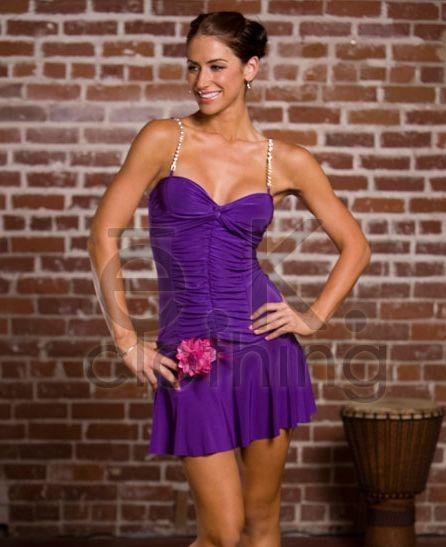
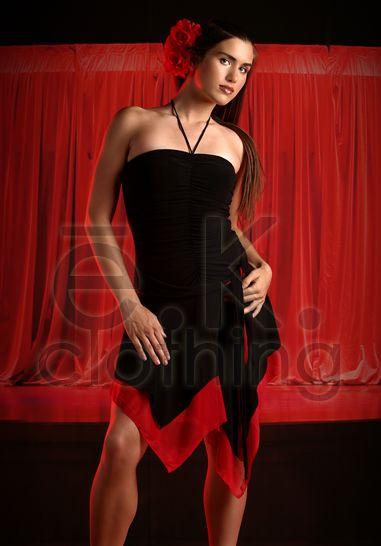
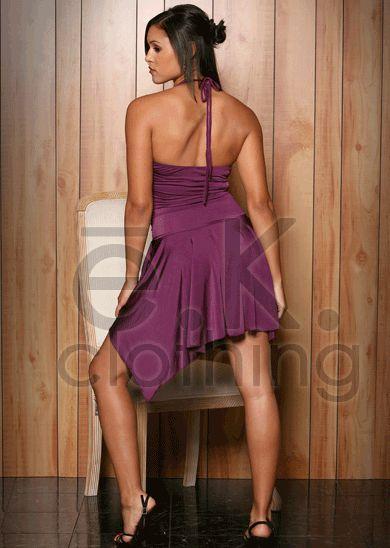
e.K. Clothing: Any clothing that has ruffles, flounces, slits and cascades will extend or accent your movement and actually make you *look* like a better dancer. Halter straps (as opposed to tank straps) are nice because they don’t slip off the shoulders. Mid length skirts with zig zag bottoms spin beautifully. Also, blends of Polyester, Nylon and/or Spandex are the best kind of fabric blends for dancers because they stretch nicely, wash easily and dry quickly.
Ritmo Bello: Are there different options available for ladies interested in specialized dresses for ballroom or Argentine Tango?
e.K. Clothing: Some of our ready to wear items are popular with Tango dancers – usually the more elegant, sharper styles or those with some sort of lace detail. For Ballroom dancers, a lot of our skirts are great for practice wear. At this time we don’t offer custom Ballroom dresses, though.
Ritmo Bello: I also understand that you offer skirts and pant options to women dancers. What are some of the advantages of choosing an option like this compared to a full dress?
e.K. Clothing: Dresses and skirts typically have a lot more movement and can be much more eye catching. Pants are quick and easy and you never have to worry about them flying or inching up as you’re dancing. Pants and skirts are a nice option for those who like to mix and match and sometimes are better for women who may need a different size up top than what they wear on bottom.
Ritmo Bello: How does a dancer find the right sizing for a dress, skirt, or pant when considering some of your clothing?
e.K. Clothing: It is always important to consider your body type. There are certain styles that are more flattering to different figures and it is just a matter of finding what cut/style suits you best. Everyone has their favorite pieces of clothing that they tend to wear over and over again. If you can figure out what it is that you like about your favorite outfits and look for those qualities when clothes shopping, you’re more likely to be happy with your new purchases. Also, knowing your measurements (these can be taken with a tailor’s tape measure) is always helpful. Every clothing manufacturer is different, so ALWAYS take a look at the size chart if you’re shopping online!
Ritmo Bello: In terms of footwear, what are some things you recommend to somebody looking for good salsa, mambo, or even tango dance shoes? What characteristics make for a really good dance shoe?
e.K. Clothing: Dance shoes should be flexible, have a non grip bottom that has just enough traction for spins and should always STAY PUT on your feet, especially around your heels. For women, wearing dance shoes (instead of regular street shoes) absolutely makes a difference. Although dancing shoes might be a little more expensive, usually they are made with quality materials and last a long time. For suede bottom shoes, almost any cobbler can replace the suede when it wears out, so don’t worry too much about preserving the suede – just dance!
Ritmo Bello: In your opinion what is the best heel height for dancing?
e.K. Clothing: The best heel height is what you’re most comfortable in–for women, if you’re not used to wearing high heels, dancing in them will take a while getting used to. I’d suggest a thicker heel if comfort is the main concern, because the more area that weight is distributed across, the better. However, the most common heel for women’s Latin dance shoes is 2.5 inch slim heel. Padded soles or inserts help with getting used to higher heels.
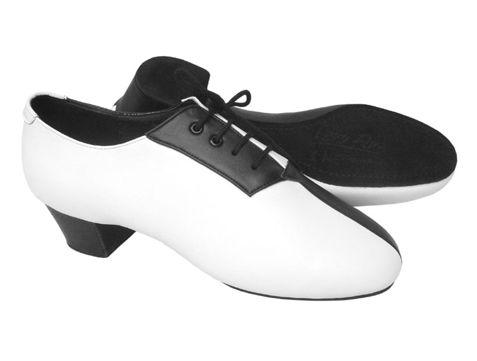
For men, usually a 1 inch heel is the standard. Some men who dance a lot or compete prefer the 1.5 inch heels, but I’ve been told those take some getting used to as well.
Ritmo Bello: Do you offer customized shoe making options for dancers? If somebody had an idea for creating a custom shoe with e.K. Clothing what is that process like?
e.K. Clothing: We do! We have many, many custom colors available for all shoe styles. Custom designs can even have 2 or more chosen colors/materials. Customers specify the style, color/material(s) and heel height and in 3-5 weeks the shoes will be finished.
Ritmo Bello: I’ve talked to a number of professional dancers that have mentioned your store as a great place to find group dance or performance style dresses. What kind of options do you offer to those dance groups looking to outfit their whole team?
e.K. Clothing: Group discounts start at 10% for purchases of 3 or more of the same item, regardless of color or size. We also carry sizes S-3X and often have a larger selection of colors in stock, which varies by season. Also, depending on the style, we can accommodate custom sizes and colors with a fairly quick turn around.
Ritmo Bello: Although most of your offerings are geared towards women, do you offer anything for men visiting your store?
e.K. Clothing: Currently we have men’s shoes. Hopefully by the end of the year, we’ll have some clothing for men as well…we’ve been told they’re feeling a little left out…
Ritmo Bello: Is there any chance we’ll see you in San Diego wearing some of the items you sell at e.K. Clothing?
e.K. Clothing: Right now, probably not John …I’m pretty much glued to our retail store in Lomita, CA 6 days a week.
Ritmo Bello: How can the Ritmo Bello audience reach you if they want to find out more information about e.K. Clothing?
e.K. Clothing: We can be reached at the e.k. Clothing website , 888-831-0925 or info@ekclothing.com.
Ritmo Bello: Nicole, on behalf of the Ritmo Bello audience and the San Diego dance community thanks so much for providing quality clothing options for dancers…
e.K. Clothing: Thank you! Maybe one day I’ll see you on the dance floor!
For everyone that attended the San Diego Salsa Festival last year you’ll remember that a major focus of the Festival was the salsa competition. Indeed, the majority of salsa festivals or congresses are great opportunities for salsa dance teams, both local and from afar, to showcase the hard work they put into their dancing.
The San Diego Salsa Festival has the added benefit of being an official qualifying location for the World Salsa Championships . This major salsa dance competition is being held on December 3-6, 2008 in Florida and brings together the best in what salsa dancers have to offer.
The objective of the World Salsa Championships is to see which couple or teams in each division can best interpret salsa music and dance regardless of the repertoire of tricks that are employed. What this means is that the competitions are looking for those who truly feel the music and can express what they feel in the dance for the benefit of the salsa community.
The World Salsa Championships is a collaboration of salsa dancers around the world united under Albert Torres and The Salsa Seven, Inc , the producer of the event and pictured below. The hope of this major event is to bring more visibility to salsa dancing as a whole to the general public and to create what he describes as “unity through salsa.”
So what can we expect at the San Diego Salsa Festival for competitions? There will be 4 categories of competition with only 1 couple and only 1 team moving on to the competitions in Florida . The areas of competition include On1 salsa couple dancing, On2 salsa couple dancing, Team dancing, and a Cabaret couple division. An example of Cabaret style might look something like what is seen in this video included in this post below. (A Time to Dance Studio, the major supporters of the San Diego Salsa Festival, appear here during a recent performance at Aubergine.)
The judges will determine who moves on to the World Salsa Championships based on timing, overall technique, difficulty, connection/partnering skills, choreography/originality, appearance, and showmanship.
The winning couple and teams not only secure a spot at the World Salsa Championships, but they also get compensated for their hard work. This compensation comes in the form of paid flights to Florida courtesy of the San Diego Salsa Festival along with all meals and hotel accommodations provided by Salsa Seven, Inc. Not a bad deal if you ask me.
How long will salsa dancing be available in San Diego’s downtown on Friday nights?
Hopefully for a long while since Aubergine’s debut of salsa dancing went extremely well, at least from a dancer’s perspective. While others may be evaluating the profitability of having salsa dancing at Aubergine in terms of drinks sold and other such factors, I think it’s equally important to look at the people and groups that were attracted to this new salsa night.
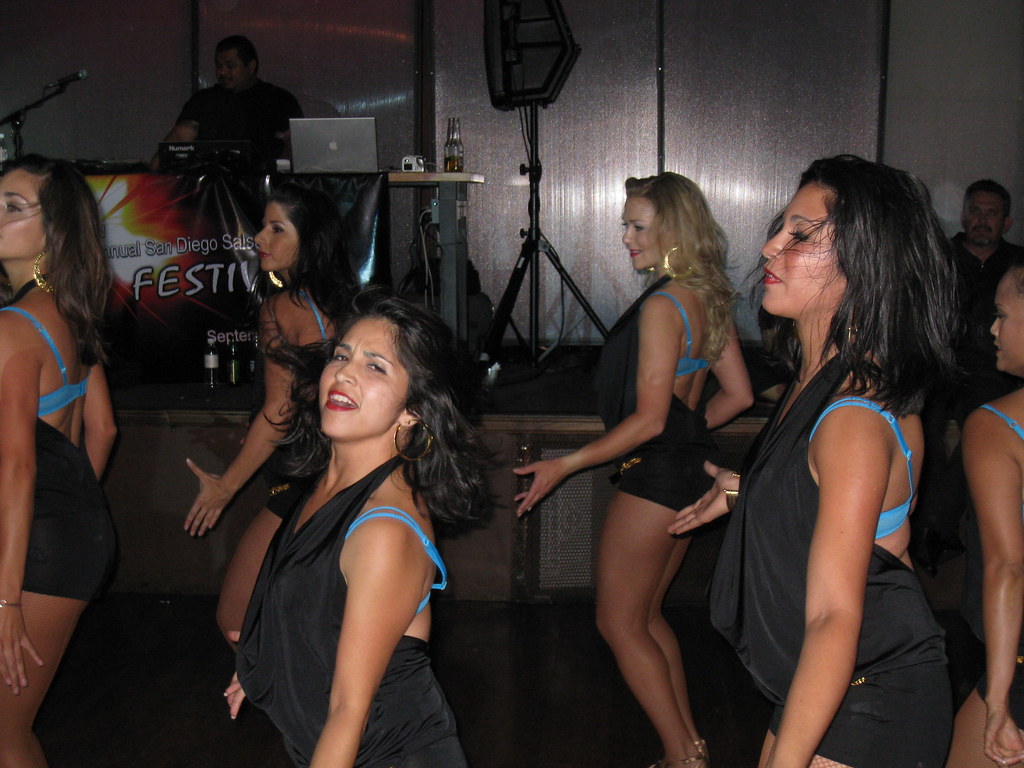
Indeed, the San Diego salsa community came out en masse to support the new venue. There were many familiar faces from the San Diego Salsa and Latin Dancing Meetup , as well as major San Diego dance studios being represented. A number of notable performances were conducted by Majesty in Motion, A Time to Dance Studio, and the Sexy Salsa Divas . The video posted here shows the young ladies during the performance that night.
Whether or not the salsa night remains a normal mainstay for Aubergine, I think the majority of people in attendance appreciated the ability to have salsa dancing at a venue like Aubergine. I have to say that it was interesting to go from the part of the club that was hosting the salsa dancing and to visit the other areas of the club that were open to hip hop. I noticed upon my return to the salsa areas that many of the people from the hip hop room were curiously showing up to watch the salsa dancing. A couple of those people found themselves on the salsa dance floor too.
Overall, I think there is a future for salsa dancing in the Gaslamp Quarter on Friday nights. Let’s hope Aubergine thinks the same thought. Thanks to A Time to Dance Studio and other San Diego salsa supporters for bringing salsa dancing to downtown San Diego on Friday nights.
Ever heard of “Latin Grooves”? If you haven’t you are missing out.
Latin Grooves, a local radio show that airs 1 to 3pm Saturdays on Jazz 88.3, delivers what many people in San Diego wish we had more of on the radio: salsa music and all types of Latin jazz. Broadcasting since 1951, the station is the only 24 hour all jazz radio station to devote a segment of its programming to Latin jazz for the benefit of San Diego listeners.
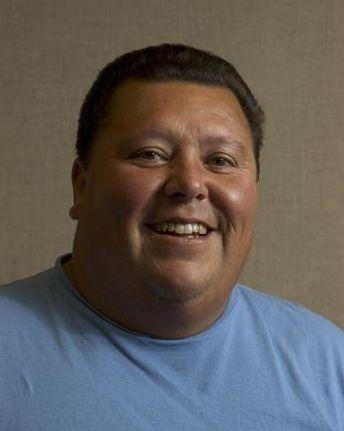
The main DJ for Latin Grooves, Chris Springer (pictured here in this post), was recently highlighted in an article that appeared today in the Del Mar Times . As described in the article, Springer has a knack for not just playing Latin jazz but also educating the public on the origins and synthesis of the music over the years.
Although a local station, Jazz 88.3 has worldwide reach through the internet with a fan base ranging from New York to throughout Latin America. To find out more information check out the Jazz 88.3 website or set your dial to the radio program Saturday afternoons.
Thanks to Chris Springer and Jazz 88.3 for keeping Latin Jazz alive here in San Diego!
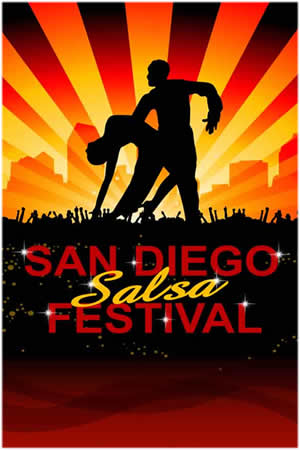
As it gets closer to the 2nd Annual San Diego Salsa Festival here in San Diego this September, there may be many of you wondering what happens at a event like this. Indeed, before I attended my first festival (aka salsa congress) for salsa years ago I really had no concept of what went on during an event like this.
If you are a beginner and just learning to dance salsa, the festival will present to you a massive assortment of options to dance, watch performances, and most importantly learn a great deal about salsa dancing. One aspect of the San Diego Salsa Festival that will be of particular help to new dancers are the numerous workshops scheduled throughout the weekend.
A salsa workshop is a little different from a traditional salsa dance lesson in that salsa workshops allow the instructor to really concentrate on certain aspects of the dance. This is helpful because let’s say you already know how to salsa dance but want to learn some new styling moves without going through the basics once again. A specific salsa workshop like the one Iran Castillo is hosting at the San Diego Salsa Festival might interest you as it will focus on “cool moves” and “On2” dancing.
The workshops during the San Diego Salsa Festival start on Friday night with a beginner’s boot camp workshop that will consist of 3 hours of focused dance instruction for those new to the dance. The rest of the weekend will have workshops hosted by local dance studios like A Time to Dance, Salsa Inferno, and Majesty in Motion. There are also workshops hosted by visiting studios and instructors from as far as Cali, Colombia.
TANGOCENTRIC presents one of the most novel presentations on Sunday August 24th at 2pm for the festival as the experimental dance company works with tango centered dramatic movements. The group has been expanding and fresh off their recent auditions they are ready to entertain and educate the community about tango through dramatic story related dance. I posted a video here of a recent performance they did.
The event will be a great reason to get the whole family together and to watch some great dance performances, all in the beautiful Balboa Park setting. Come out to this FREE event and support dance in San Diego!
Many of us know the health benefits from dancing tango, salsa , samba, merengue, and other forms of Latin dance. But did you know that simply listening to these types of music can improve your health?
Recent studies show that listening to music of all types has the great effects of lowering your blood pressure, improving your concentration, and overall stimulating your brain. Many studies also show that listening to music can improve performance on standardized tests. For most salsa, tango, and other Latin dancers, the music can simply put you in a different state of mind and allow you to restart your day on a fresh note.
Tango Alma , a local San Diego tango group and friends of Ritmo Bello , was recently highlighted in a short documentary regarding the health benefits of music. I posted that video here for you to watch and you’ll see both Todd and Marizabel of Tango Alma explaining how tango dance and listening to music is good for your health. Enjoy!